
From a cow shed to a school
The challenge
Rural communities are predominantly reliant on subsistence agriculture as their primary source of livelihood. However, increasing population pressures, environmental constraints, and limited economic diversification have significantly reduced the sustainability of small-scale farming. As a consequence, working-age men are frequently compelled to migrate to urban centres in search of employment. In the absence of access to quality education and skills development, many are confined to informal, low-wage, and physically demanding labour under precarious conditions, reinforcing cycles of poverty and inequality.
Women and girls often remain within rural households. Where women’s access to education is limited or denied, intergenerational literacy outcomes remain critically low. Evidence consistently demonstrates that children who fail to achieve foundational literacy by the age of ten face a substantially reduced likelihood of completing formal education. This perpetuates entrenched patterns of multidimensional poverty, social exclusion, and marginalisation, undermining inclusive and sustainable development.


Building a future
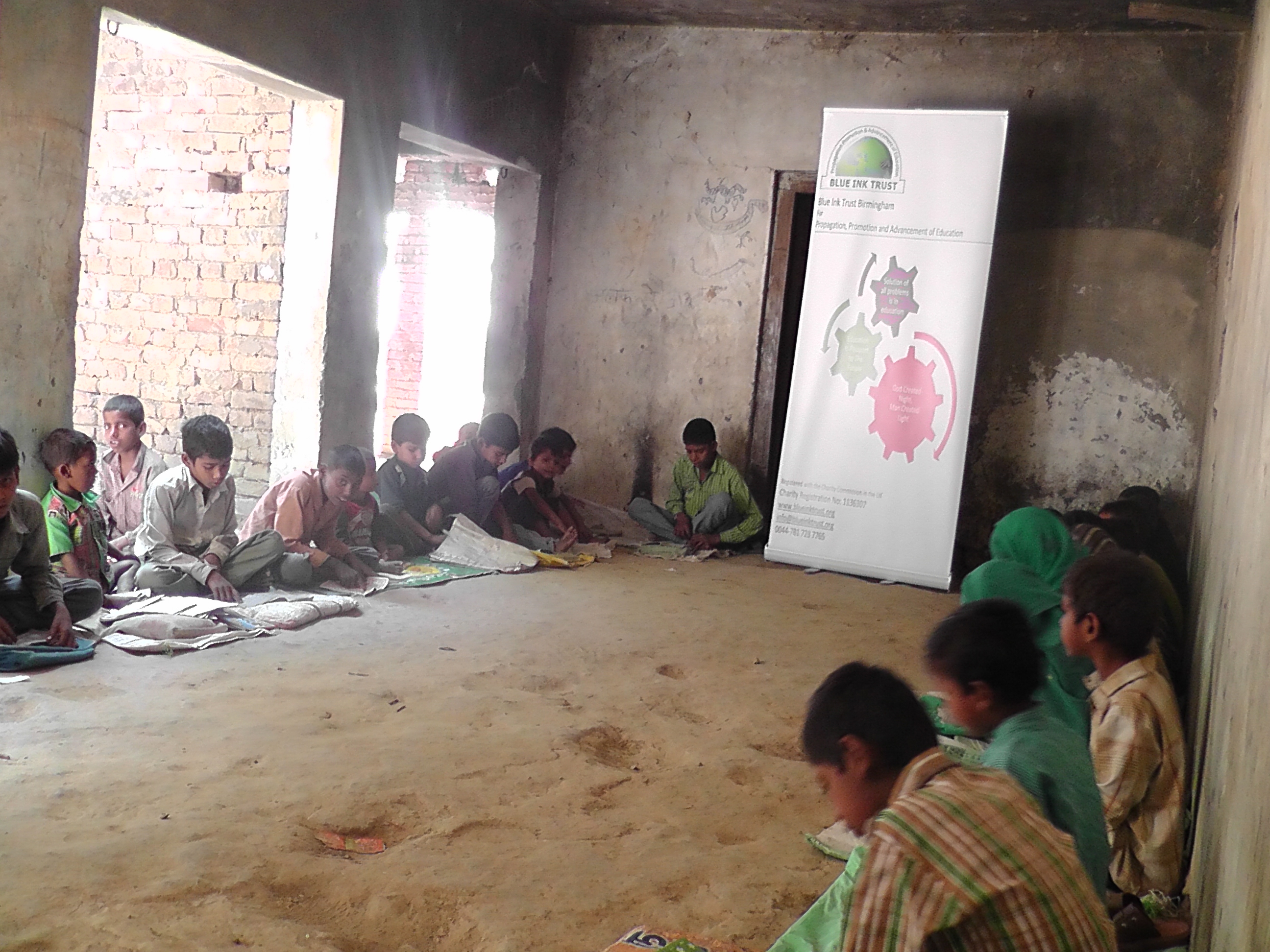
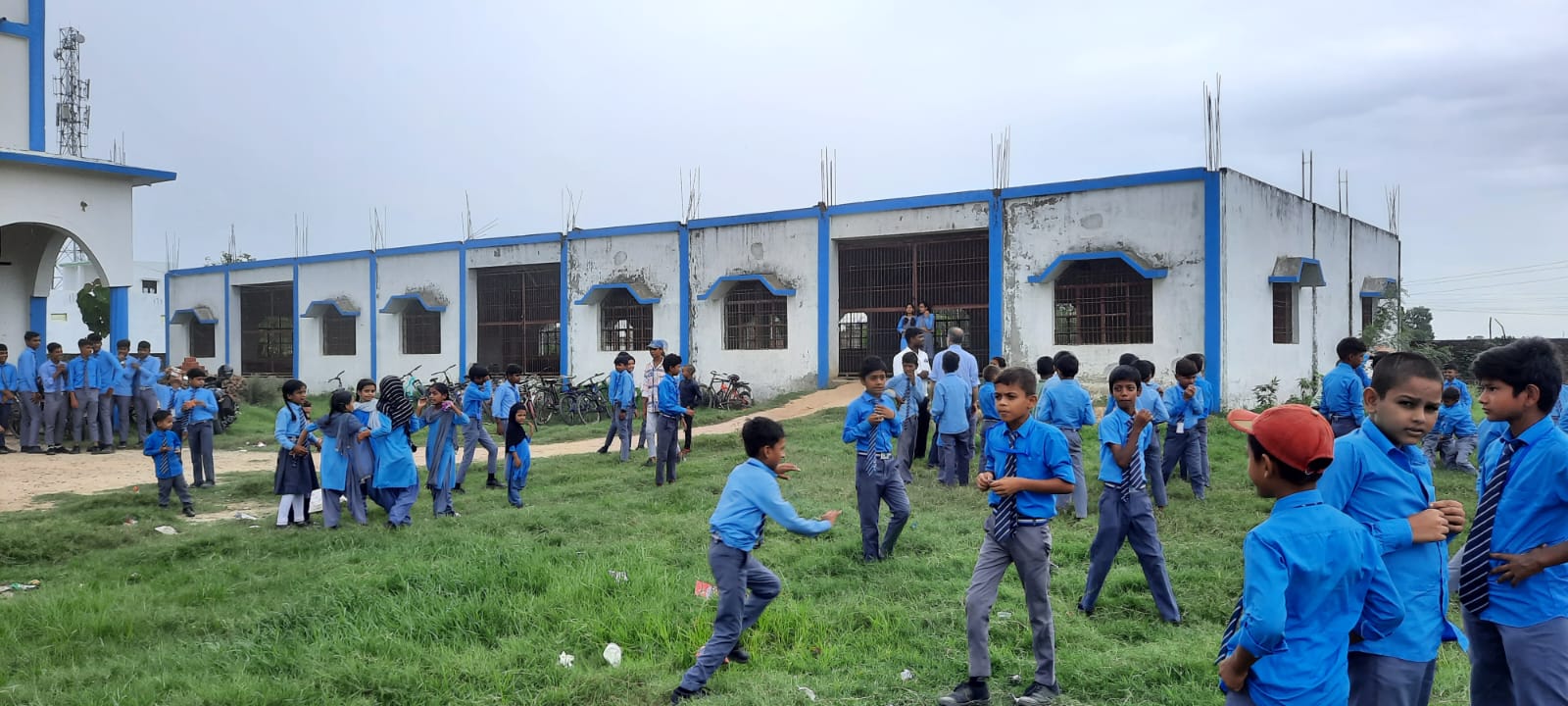
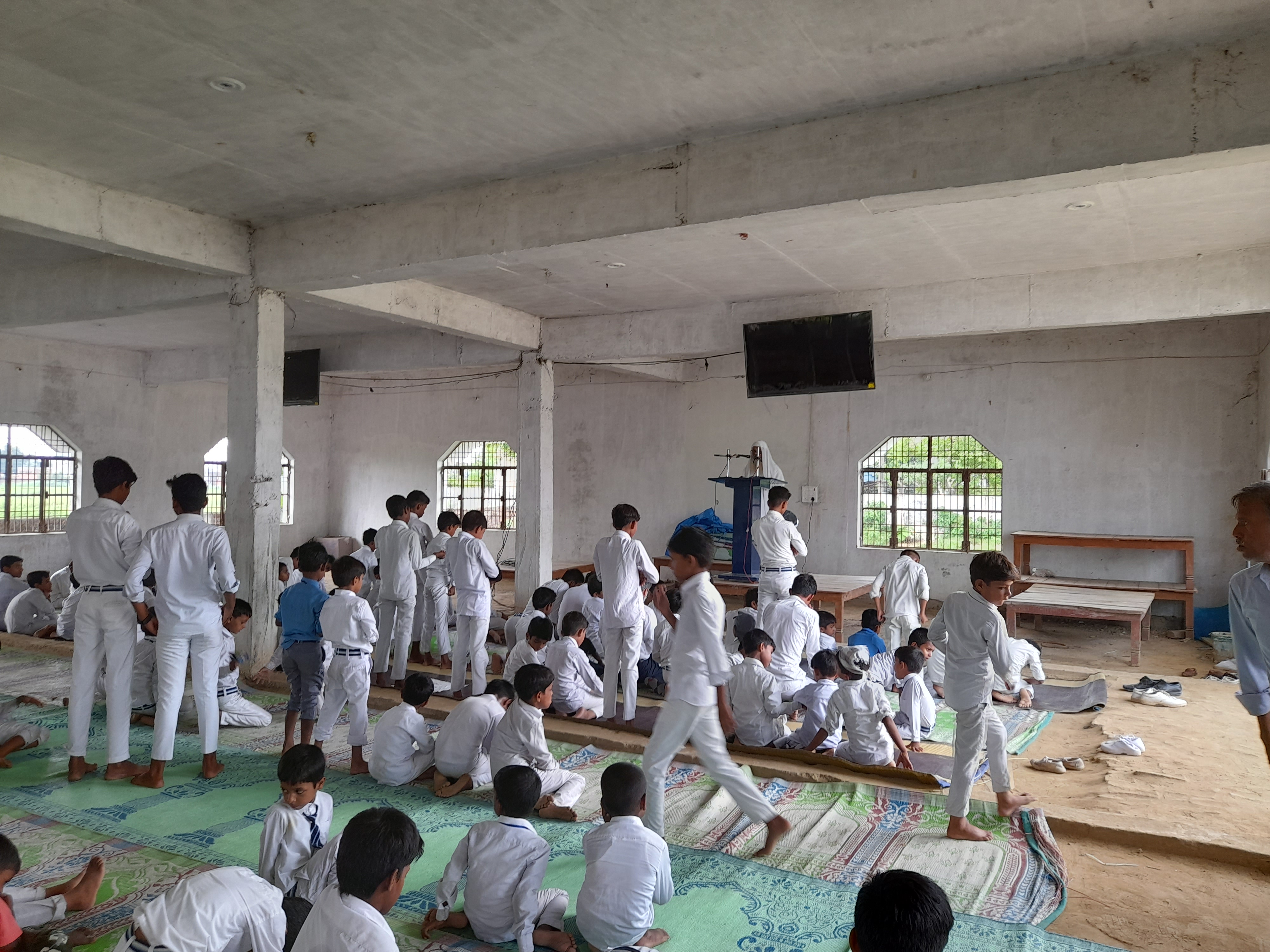
In 2007, members of Blue Ink Trust initiated community-based education provision for children who were excluded from formal schooling. In the absence of dedicated infrastructure, learning initially took place in a makeshift and deteriorated veranda. Learners of all ages began with foundational competencies, including early literacy and numeracy, ensuring equitable access to education regardless of prior attainment or circumstance.
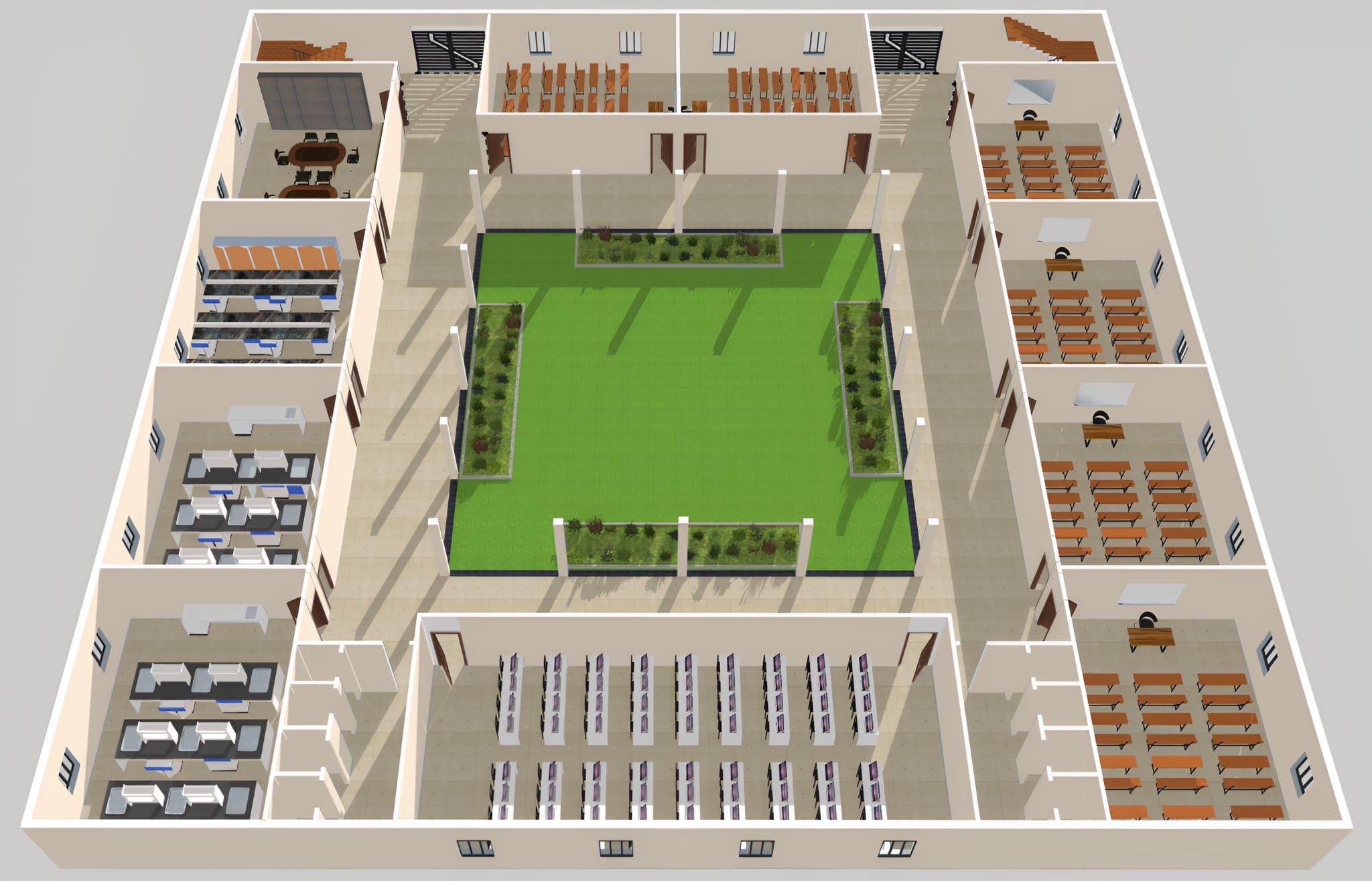
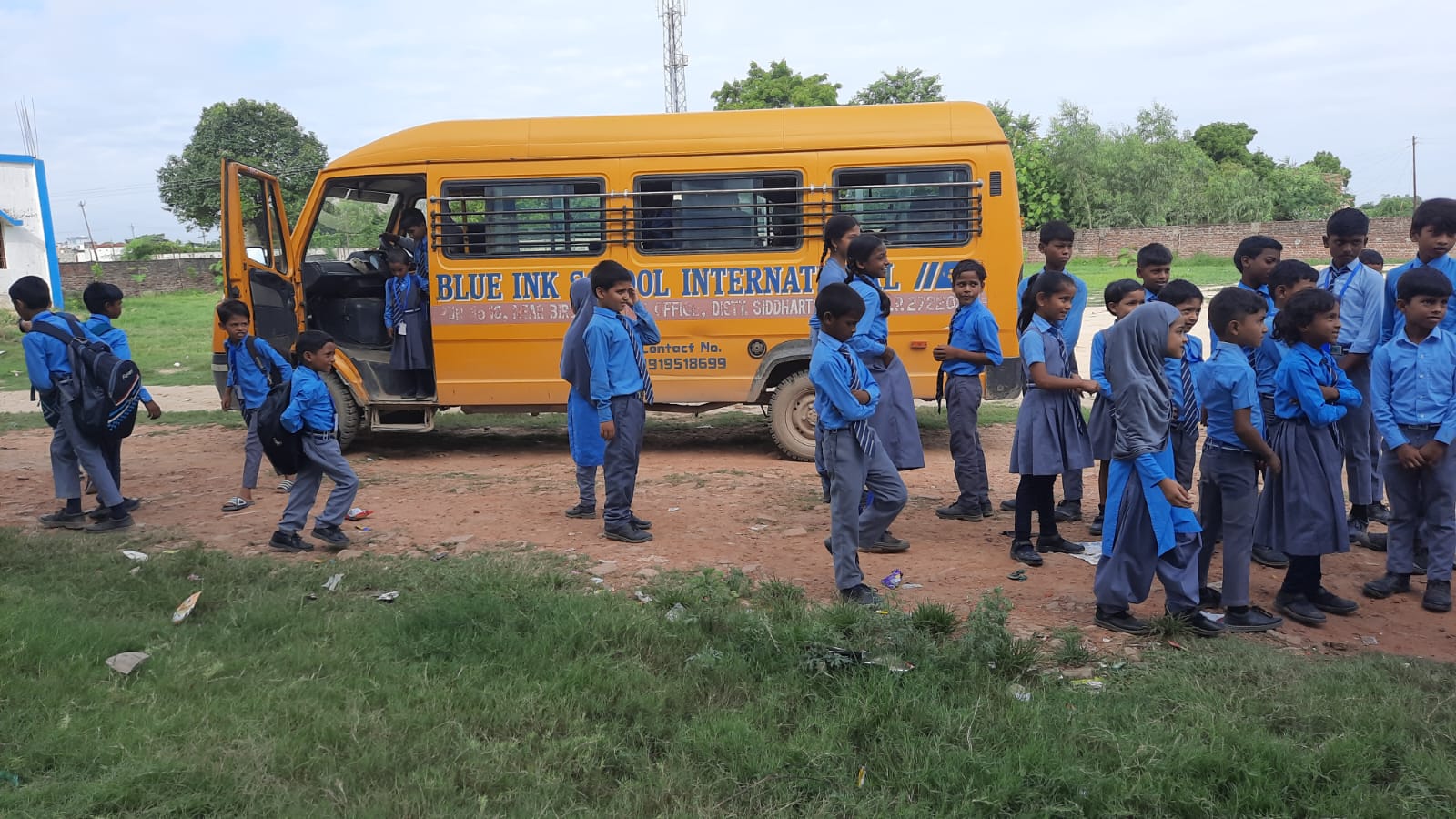
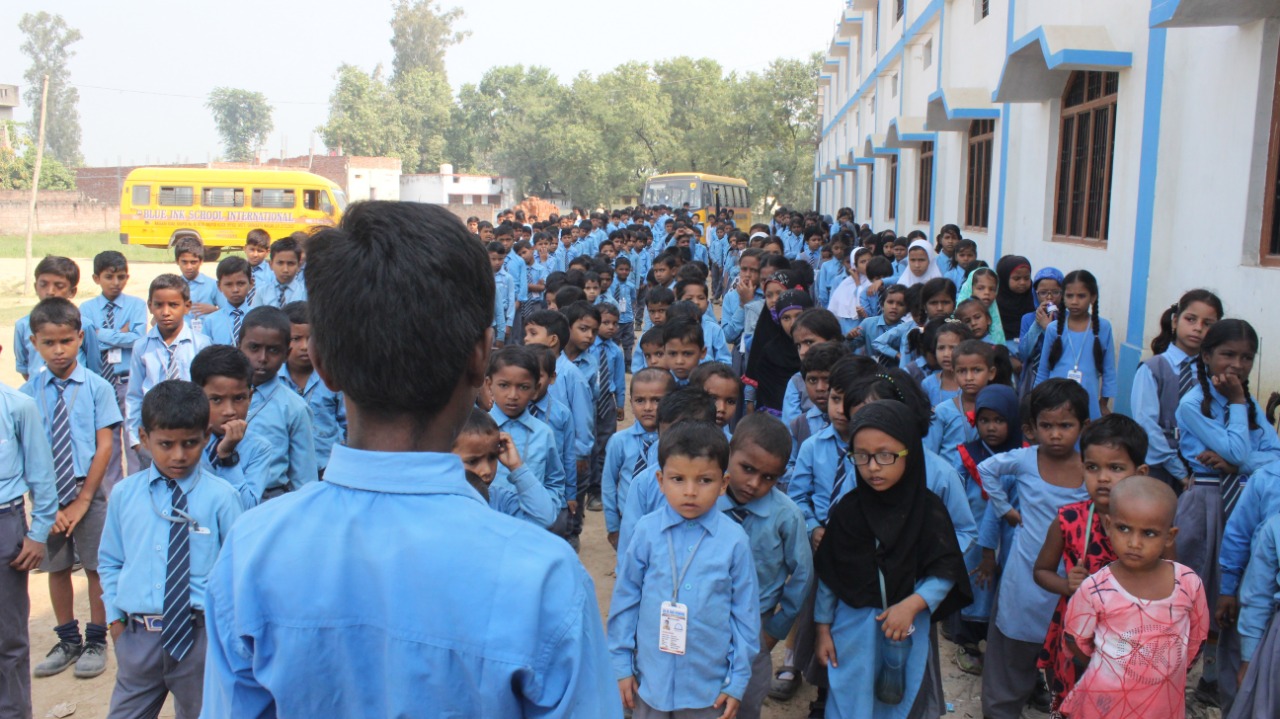
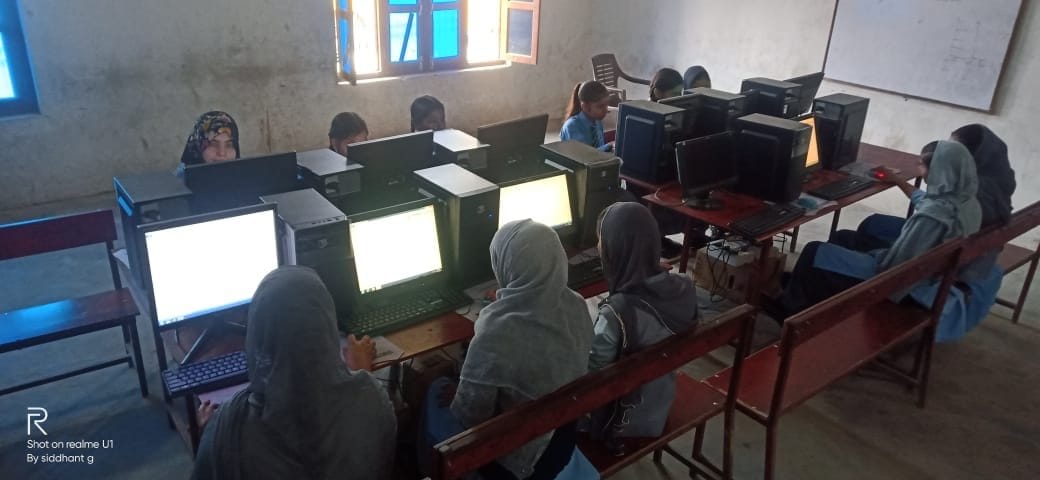
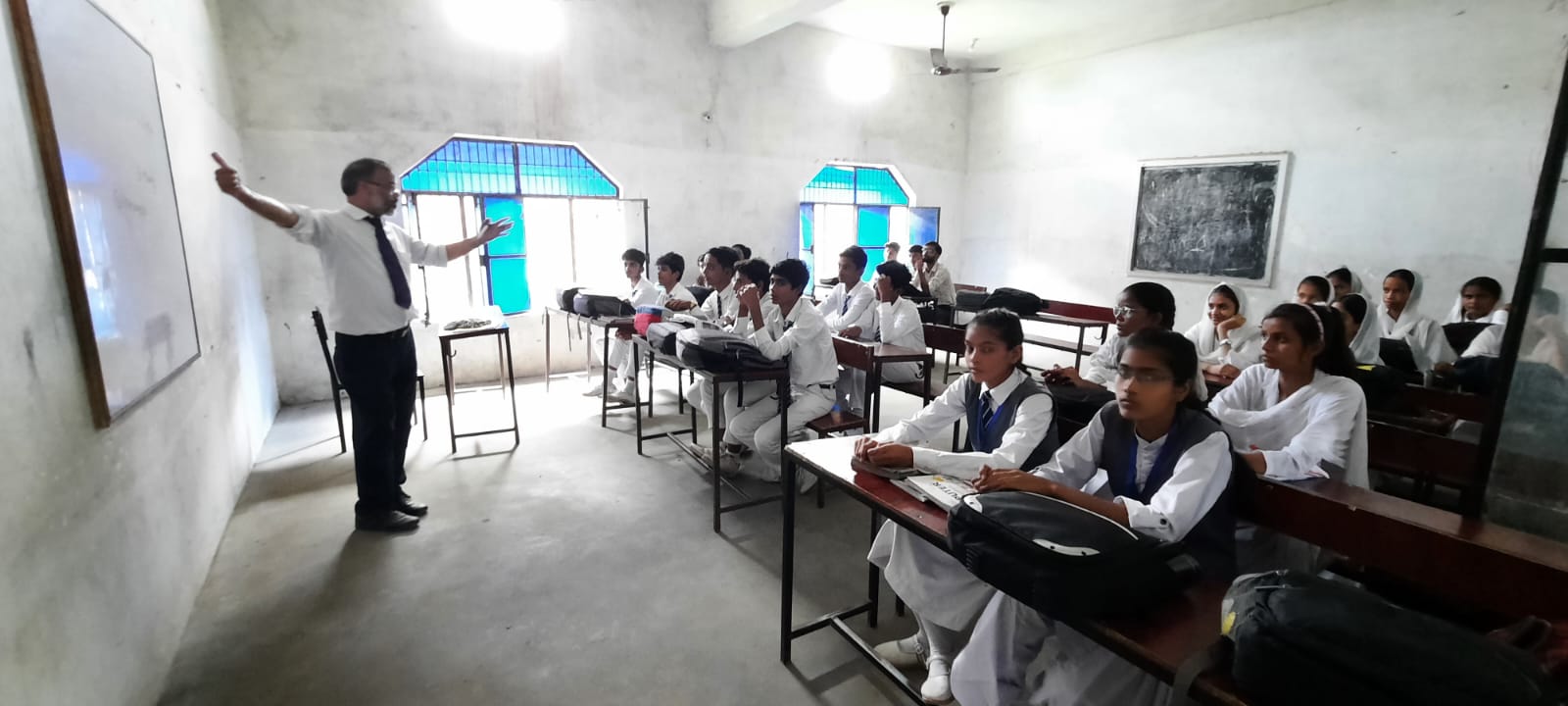
Since its inception, the programme has scaled both in scope and impact. Blue Ink Trust now provides structured education from Early Years through to Higher Secondary level, alongside targeted support pathways into tertiary and higher education. This continuum-of-learning model is designed to promote lifelong learning opportunities and improve long-term educational and socio-economic outcomes.



Girls’ education and family stability
Labour migration to urban centres frequently results in family separation, as the high cost of urban living prevents entire households from relocating. Women are consequently left as primary caregivers, often with limited access to education, economic resources, or institutional support. This structural disadvantage disproportionately affects girls, increasing their vulnerability to early school dropout, unpaid domestic labour, and long-term socio-economic exclusion.
Blue Ink Trust recognises that inclusive civic participation are unattainable without sustained investment in girls’ education. Accordingly, a central pillar of our strategy is the advancement of equitable, safe, and high-quality educational opportunities for girls. Our programmes are intentionally designed to strengthen family resilience, disrupt intergenerational cycles of disadvantage, and enable girls and young women to become empowered agents of social and economic development within their communities.